Category: News

  • Best practices for AI implementation in Higher Education: How to overcome ethical and other challenges with practical solutions

    Best practices for AI implementation in Higher Education: How to overcome ethical and other challenges with practical solutions

    Introduction

    Artificial Intelligence. We have heard this phrase more than a thousand times. Conferences around the world are being organised to discuss and hear from the brightest minds and many scientists about what AI is and how we welcome it in today’s world, in technology, medicine, education, and many other fields that we can’t even imagine! Relationships, personal life, fashion, art, how to reply to your angry friend, what’s the matter with your plant and why it looks like this, and so many other aspects of life. 

    The integration of Artificial intelligence in Higher Education is another matter; it is transforming teaching, learning, and even administrative processes. AI-based tools like ChatGPT, intelligent tutoring systems, and automated grading programs are now helping universities and their people to to empower efficiency and personalise education. However, they bring ethical dilemmas, such as integrity concerns, data privacy, and biases. 

    This article explores how the adoption of AI can prevent some of these dangers by introducing best practices. It also addresses ethical and operational challenges with practical and easy solutions. Drawing from INFINITE’s AI in Education Toolkit, we provide an approach to ensuring the effective and responsible use of AI in academic settings. 

    Best Practices for AI Implementation in Higher Education 

    1. Expand AI Literacy for Students and Educators

    AI literacy is a foundational requirement for faculty and students in order to have the benefited experience of using them. Without adequate understanding, AI can be misused and relied upon uncritically. 

    Institutions should integrate AI literacy in curricula, and offer training programs for all, focusing on: 

    • The capabilities and limitations of AI tools.
    • Ethical usage and practical application with responsible interaction with the content produced.
    • Critical evaluation of AI- generated responses to secure fairness. 
    1. Ensure transparency of AI tools

    One of the most important concerns in AI use and adoption is the lack of transparency in decision-making processes. AI models, especially learning-based systems, operate as “black boxes,” which means they are not transparent about how the decision and final result were made. 

    Institutions can: 

    • Select AI tools that may provide clearer explanations of their outputs
    • Require vendors to disclose model limitations, biases, and potential inaccuracies 
    • Develop guidelines on how to interpret AI-generated content critically
    1. Promote fairness and mitigate bias in AI systems

    Bias in AI algorithms can empower existing inequalities in education and society. Some grading tools or admission systems may reflect biases in their data. 

    Institutions can and should: 

    • Audit AI systems often for bias and general incorrect or unfair outputs
    • Make sure datasets can include a broad range of student demographics and learning styles – enrich the content they input so that there is a wider aspect of evaluation
    • Use hybrid evaluation systems where humans will complement AI decisions
    1. Improve Data Privacy and Security 

    Data privacy is a significant concern in AI-driven education. In order to use AI tools, it might often be required to share personal data and information, which can be a risk related to data misuse. 

    What can Institutions do? 

    • Adopt a GDPR-compliant AI systems that protect student privacy
    • Implement strict access controls and encryption for sensitive data
    • Educate students on how their data is used and make sure they have control over their personal information and data
    1. Promote responsible AI use in Assessments and Research

    The continuous use of AI in education and universities specifically, raises concerns about integrity and authenticity. ChatGPT and other similar AI models (Gemini, CoPilot, etc.) answer exam questions, produce research summaries, or even respond to questions within the classroom settings and summarise discussions and lectures. 

    What could institutions do to mitigate this?

    • Define clear policies on AI-assisted work and distinguish acceptable and unethical use within the educational process of their curricula. 
    • Promote the use of AI for learning and highlight its role to assist students in their education progress instead of their content generation for delivery purposes.
    • Use AI- detection tools to avoid false accusations, even though these tools are not always accurate. 

    How do we address ethical challenges with practical solutions though? 

    The solution for balancing AI Innovation with academic integrity lies in the development of hybrid assessment models that can combine traditional evaluation methods with AI-powered learning tools. Instead of banning the AI world from their professional lives, educators and academics can use tools in the exact same way that they expect their students to: by having an assistant summarising and saving them time by collecting information so they can make their final decisions. The key element required for this process is to critically analyse AI-generated results. 

    To prevent overreliance on AI, metacognition and self-regulated learning have to be encouraged. For example, students may use AI-based writing tools and be required to provide personal reflections on how the AI tool(s) assisted their learning processes rather than submitting the output as their own work. 

    Human oversight can be included in decision-making processes powered by AI to face ethical dilemmas. AI should be used as a support tool rather than an autonomous decision-maker in grading, admissions, and general student performance evaluations. 

    Bias and inclusivity is a challenge that can’t be ignored. A possible way to face it is to engage students and faculty groups with diverse backgrounds in AI tool evaluation. This transparency can be very helpful in speaking out on the societal complexities that the tools can create and as a result, ensure that they cater to a wide range of educational needs. 

    Last but not least, data privacy regulations can be monitored by offering transparency on how universities and other institutions process students’ data and how they collect, store and use it in general. This offers the capability for students to have access to their data and supports their right to know how they are being used. 

    To conclude… 

    AI presents transformative opportunities in Higher Education, but its successful implementation requires a responsible approach. As with all new tools and systems that are released over the years (internet, gaming, social media platforms), with the right approach and educational support, their use can help humans have control over their professional and personal lives and not allow external concepts to decide on their behalf. 

    The INFINITE’s AI in Education Toolkit provides a comprehensive framework to guide institutions in their ethical and effective use of AI in academia. As AI continues to evolve, continuous reflection and adaptation will be necessary to align its use with educational values and expectations by and to society.

  • AI vision in higher education: Toward a critical AI literacy at the University of Groningen

    AI vision in higher education: Toward a critical AI literacy at the University of Groningen

    The digital transformation of society is not a recent phenomenon (Castells, 2024). Over the past several decades, a series of technological breakthroughs—including the internet, the World Wide Web, cloud computing, smartphones, and the Internet of Things—have profoundly influenced our daily lives. However, the release of large language models such as ChatGPT (OpenAI) and Gemini (Google) seems to have propelled digitalization into a new phase. As Lucy Avraamidou compellingly argues in her article “Can we disrupt the momentum of the AI colonization of science education”, nearly every day a new generative AI tool is advertised as promising to revolutionize different aspects of our lives (Avraamidou, 2024).

    This AI-driven revolution is already affecting multiple sectors and occupations (Fadel et al., 2024). As UNESCO (2021) notes, there are numerous well-known applications of AI, including:

    “Automatic translation between languages and automatic facial recognition—used for identifying travelers and tracking criminals—to self-driving vehicles and personal assistants on smartphones and other devices in our daily life. One particularly noteworthy area is health care. A recent transformative example is the application of AI to develop a novel drug capable of killing many species of antibiotic-resistant bacteria (Trafton, 2020). A second example is the application of AI to analyse medical imaging—including foetal brain scans to give an early indication of abnormalities, retinal scans to diagnose diabetes, and X-rays to improve tumour detection.”

    At the same time, these rapid advancements raise questions that societies worldwide must grapple with. What will AI’s impact be on the labor market? Will its adoption enhance human well-being, or could it exacerbate inequalities? How does the significant energy consumption associated with AI influence climate change? Which ethical and moral concerns must we consider when we implement AI at scale?

    In the field of education—particularly in higher education—these discussions are especially vibrant. Some take a technopositive view, asserting that AI could solve a host of educational challenges. Others are more cautious, highlighting the potential pitfalls and risks. While debates are occurring at both academic and societal levels, the scientific literature outlines four possible scenarios for how AI might affect higher education (van Slyke et al., 2023):

    1. Minimal impact: AI tools do not significantly alter teaching or professional practices in higher education. Both students and faculty continue to rely on traditional methods, maintaining the status quo.
    2. AI as a tool (automation): AI automates routine tasks—such as generating exercises, grading assignments, or writing code—freeing up time for more value-added activities. However, the core educational model remains largely unchanged.
    3. AI as a trusted partner (augmentation): AI becomes a collaborative partner. Students, educators, and professionals interact with AI tools that function as tutors, coaches, or co-creators. This scenario fosters the co-evolution of learning processes and encourages greater creativity by combining human ingenuity with AI capabilities.
    4. AI as a competitor: AI tools replace certain roles traditionally held by educators or professionals, diminishing their demand. Here, faculty take on secondary roles, such as curriculum design and mentoring, while students learn primarily through “AI educators.” In this model, teachers become “co-learners” who work alongside students.

    Although we do not yet know which scenario will prevail, it is increasingly clear that higher education urgently needs the competencies to engage with AI responsibly. This has led to a growing emphasis on AI literacy for both students and educators, regardless of academic level. Yet a fundamental question arises: is any AI literacy sufficient, or should we focus on fostering a critical AI literacy that prioritizes social, ethical, and moral considerations?

    A helpful illustration of good practice can be found at the Centre for Learning and Teaching (CLT) within the Faculty of Science and Engineering (FSE) at the University of Groningen. In October 2023, the CLT initiated a strategic vision on integrating AI into educational contexts. A consultation group of 33 participants—including six student representatives—drew insights from FSE’s six educational clusters and eight research institutes. Two sessions were held to discuss real-world cases within FSE, identify the teaching staff’s needs, and refine a strategic vision draft. The outcome of this effort was the “AI Literacy Vision Document,” now publicly available (link).

    This vision document addresses how to integrate AI tools into teaching and research in a critical and responsible manner. It advocates for critical AI literacy, defined as the competencies required to evaluate, communicate with, and work alongside AI technologies in scientific and engineering contexts. While offering an overarching strategy based on current research, the document also recognizes that disciplinary differences demand distinct approaches. Accordingly, it provides guidelines for designing courses and programs aligned with FSE’s strategic goals, particularly those related to innovation and social impact.

    Among its key themes, the vision document calls for balancing AI’s potential benefits with its risks—ranging from bias and ethical pitfalls to the potential erosion of human-centric interaction. Active learning is emphasized, encouraging educators to draw on students’ prior experiences with AI as part of a broader, more intentional instructional design. Core values such as equity, transparency, accountability, and ethical use of AI are likewise underscored, forming a foundation for maintaining academic integrity as AI-based tools become more widespread.

    Yet these strategic outlines should be treated as guiding compasses that must ultimately lead to concrete action. In other words, we must go a step further and translate critical AI literacy into actual training programs. Here is where Erasmus+ and related educational innovation initiatives become indispensable. For example, the Centre for Learning and Teaching, in partnership with the University of Nicosia, University College Dublin, the University of the Aegean, All Digital, and CARDET, is undertaking a project whose main objective is:

    “To pepare Higher Education (HE) faculty to critically and ethically exploit AI-based technology in their professional and pedagogical practices, thereby helping Higher Education Institutions (HEIs) leverage the best possible outcomes from AI developments.”

    At the time of writing, this consortium has already created an AI Literacy Toolkit, which presents best practices that higher education institutions can easily adopt or adapt, and an AI Digital Hub that (1) makes a variety of AI tools, digital resources, and European data accessible for innovative teaching and learning, and (2) offers a centralized repository of AI-related tools and Open Educational Resources (OERs) to help the higher education community remain informed about the latest advancements. The next step is the development of a formal training program for both educators and students, through which the principles of critical AI literacy will become even more actionable and meaningful.

    In conclusion, higher education stands on the cusp of a transformative moment, one in which many stakeholders have vested interests. It is vital to bear in mind that the shape AI adoption ultimately takes depends on collective decisions made by educators, students, administrators, and policy-makers. AI is here to stay; how we harness it will determine its value for society at large. By engaging with these technologies critically, ethically, and proactively, we can ensure that AI becomes an ally—rather than a threat—in the pursuit of quality education, social equity, and human well-being.

  • Empowering Personalized Learning In Higher Education: The Role Of AI And The LEADER AI Toolkit

    Empowering Personalized Learning In Higher Education: The Role Of AI And The LEADER AI Toolkit

    As higher education continues to evolve in response to digital transformation, Artificial Intelligence is emerging as a key enabler of more personalised, flexible, and inclusive learning experiences. By leveraging data-driven insights and adaptive technologies, AI has the potential to tailor education to individual learner needs, supporting diverse learning pathways and improving student outcomes.

    Within this context, the LEADER AI Project introduces the LEADER AI Toolkit, a practical resource designed to support educators and institutions in integrating AI into teaching and learning processes. The toolkit, available at https://leaderai.eu/toolkit/, provides guidance, tools, and frameworks to help higher education professionals harness AI in a pedagogically meaningful and ethically responsible way.

    The LEADER AI Toolkit focuses on enabling personalised learning by supporting key areas such as adaptive instruction, learner analytics, and targeted feedback. Through these approaches, educators can better understand students’ needs, monitor progress, and provide customised support that enhances engagement and academic success. At the same time, the toolkit promotes critical awareness of ethical considerations, including data privacy, transparency, and fairness in AI-driven systems.

    Beyond technical implementation, the initiative emphasises the importance of capacity building. By equipping educators with the knowledge and skills required to use AI effectively, the toolkit contributes to strengthening digital readiness within higher education institutions. This is particularly relevant in a context where educators are increasingly expected to navigate complex technological environments while maintaining high standards of teaching quality and inclusivity.

    The LEADER AI Toolkit represents a valuable contribution to the ongoing transformation of higher education, offering a structured and accessible approach to integrating AI into personalised learning practices. By bridging the gap between innovation and pedagogy, it supports institutions in creating more responsive, student-centred learning environments aligned with the demands of a rapidly changing digital society.

  • INFINITE: TRANSNATIONAL REPORT AND FIRST SET OF RESEARCH OUTCOMES ON THE USE OF AI IN HIGHER EDUCATION IN EUROPE

    INFINITE: TRANSNATIONAL REPORT AND FIRST SET OF RESEARCH OUTCOMES ON THE USE OF AI IN HIGHER EDUCATION IN EUROPE

    Artificial Intelligence (AI) is rapidly transforming higher education (HE), offering both immense potential and significant challenges. The INFINITE project aiming at empowering the HE community to make the best use of AI in professional and pedagogical practices carried out a transnational study involving five European countries (Cyprus, Greece, the Netherlands, Belgium and Ireland) to investigate the current state of AI tools in HE education, exploring their applications, challenges, and implications for educators and students. This study looked into AI’s role in HE through desk research and a needs-analysis survey of 259 HE staff and students. 

    Desk Research Insights

    The desk research provided a comprehensive overview of existing literature on AI applications in HE. A key finding was the wide-ranging potential of AI tools across both professional and pedagogical practices. 

    In the administrative sphere, AI demonstrated its ability to streamline tasks such as scheduling, resource allocation, and document management, significantly enhancing efficiency. Moreover, AI-driven analytics proved invaluable for informing data-driven decision-making, optimising resource utilisation, and supporting strategic planning. 

    Within the realm of pedagogy, the research highlighted AI’s potential to revolutionise the learning experience. AI-powered tools emerged as effective means for personalising instruction, providing tailored feedback, and fostering student engagement. Intelligent tutoring systems, in particular, showed promise in adapting to individual student needs and providing targeted support. Additionally, AI-driven assessment tools demonstrated potential for automating grading and providing detailed performance feedback.

    However, the desk research also uncovered challenges associated with AI integration. Concerns about data privacy and algorithmic bias were prevalent, emphasising the need for robust ethical frameworks. The “black box” nature of some AI algorithms raised questions about transparency and accountability, highlighting the importance of explainable AI.

    Field Research Findings

    The field research, involving a needs-analysis survey of 259 HE staff and students, provided valuable insights into the perceptions and experiences of educators and students. 

    A majority of respondents expressed a positive outlook on AI’s potential to enhance teaching and learning. They recognised AI’s ability to automate routine tasks, freeing up educators’ time for more meaningful interactions with students. Furthermore, there was a strong belief that AI could be used to personalise learning experiences and provide students with more targeted support. 

    However, the survey also revealed concerns about the ethical implications of AI. Respondents emphasised the importance of data privacy and expressed reservations about the potential for algorithmic bias. There was also a recognition of the need for ongoing professional development to equip educators with the skills to effectively integrate AI into their teaching practices. A notable finding was the digital divide among respondents. While many educators and students expressed familiarity with AI tools, a significant proportion lacked the necessary knowledge and skills to effectively utilise these technologies. This highlights the importance of providing accessible training and support to ensure equitable access to AI resources.

    Conclusions

    By combining the insights from both desk and field research, a comprehensive understanding of the opportunities and challenges associated with AI integration in HE emerges. While the potential benefits are significant, careful consideration of ethical implications, investment in human capital, and development of robust infrastructure are essential for successful implementation.

    To fully realise the potential of AI in HE, a multifaceted approach is required. This includes developing clear ethical guidelines, providing comprehensive training for educators, and fostering collaboration between academia and industry. By addressing these challenges and investing in research and development, HE institutions can harness the power of AI to create a more inclusive, efficient, and effective learning environment. While AI offers promising opportunities to enhance HE, it is essential to proceed with caution. A balanced approach that prioritises ethical considerations, human expertise, and student well-being is crucial for successful AI integration.

    These findings and insights from the transnational report will help the INFINITE project to tailor its upcoming AI Literacy Toolkit, AI Digital Hub and capacity-building courses based on the actual needs and expectations of HE academics and students. Our project will also develop an Action Plan for HEIs to facilitate a common understanding and collaboration across the HE institutions on the use of AI in their daily practices.

    Resources:

    INFINITE Transnational report (EN and will be soon available in NL – EL – IE)

    Web articles on national findings and insights 

    Project partners:

    University of Groningen (RUG), University of Nicosia (UNIC), University College Dublin (UCD), University of the Aegean (UAegean), All Digital, CARDET

  • INFINITE at the Learning Innovations Summit 2024: Exploring the Future of AI in Education

    INFINITE at the Learning Innovations Summit 2024: Exploring the Future of AI in Education

    INFINITE was one of the projects on the spotlight during the “Learning Innovations Summit 2024: Unveiling the Future of Learning & Artificial Intelligence” organized on 13-14 September 2024 by CARDET in collaboration with University of Nicosia (UNIC), University of Groningen and University College Dublin under the auspices of the Cyprus Ministry of Education, Sports, and Youth. 

    The Learning innovations Summit aimed to highlight the transformative power of emerging technologies and explore the latest in educational technology, innovative applications, and diverse perspectives that will revolutionise how we learn. The event was supported by another EU-funded project: LeaderAI focusing on learning analytics and AI for personalised learning.

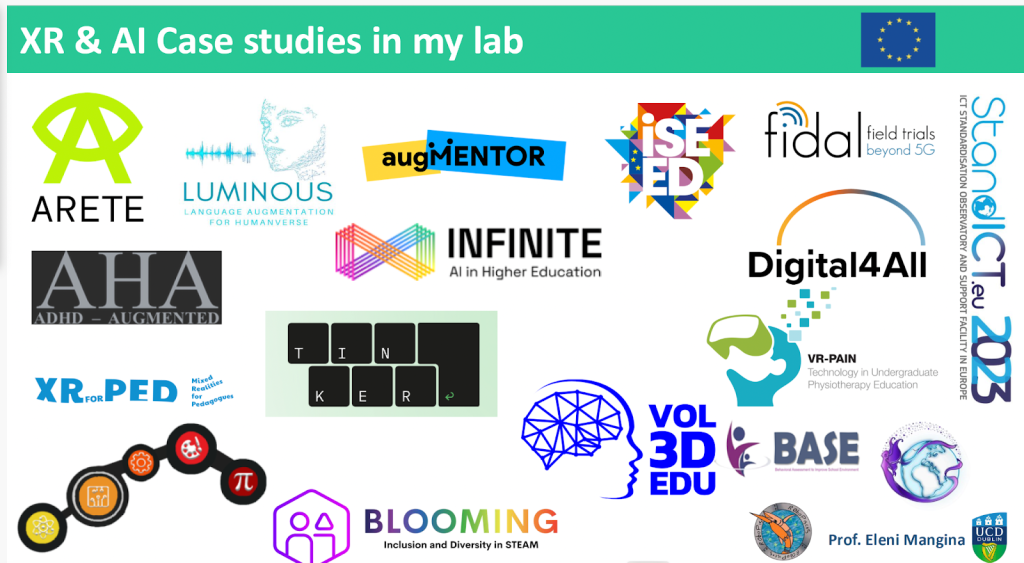
    Prof. Eleni Mangina from University College Dublin, leading the INFINITE’s AI Digital Hub development, addressed the audience on the first day of the summit with a keynote speech on “Navigating the AI and XR opportunities for Education: Cases studies and Critical Perspectives”. 

    The keynote explored the transformative role of AI and Extended Reality (XR) in modern education. Through real-world case studies, Dr. Mangina showcased how these technologies are being implemented across various educational settings, highlighting both successes and challenges. The speech critically examined the ethical and practical implications of AI systems and XR technologies, offering insights into how educators can navigate these opportunities to enhance teaching and learning around the globe. 

    Our INFINITE project focusing on the use of AI for professional and pedagogical practices in higher education was highlighted among a variety of exciting projects that are currently running in their lab at UCD.

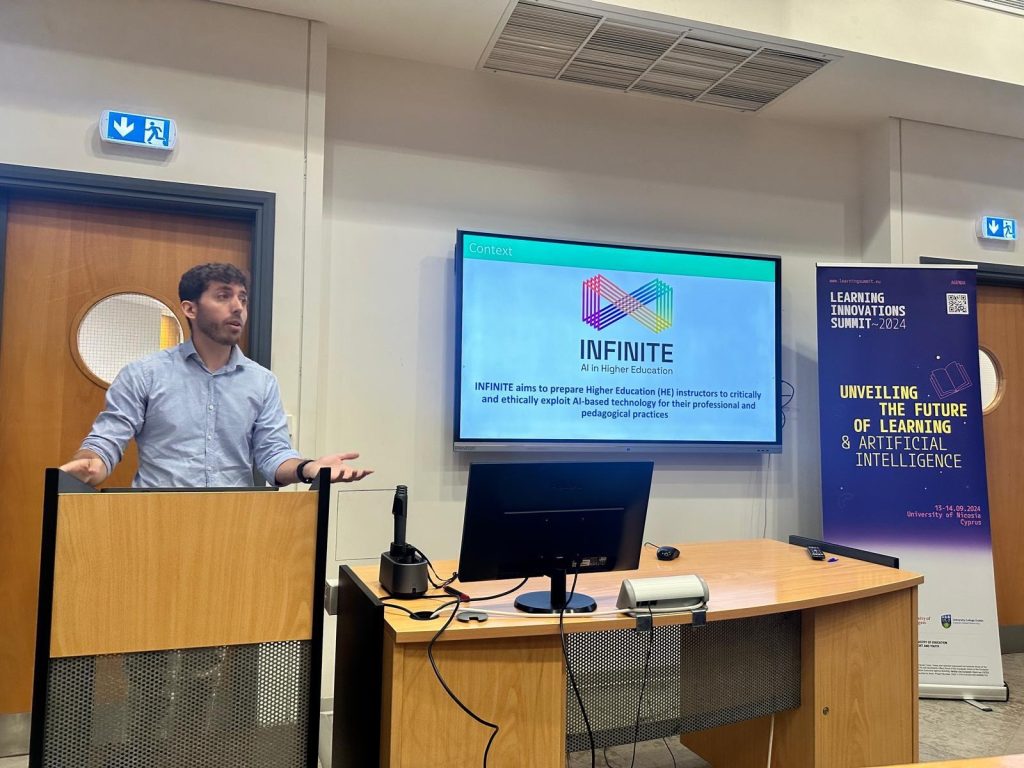
    During the parallel sessions, Dr. Francisco Castillo from the University of Groningen, coordinating the INFINITE project, provided an overview of the project activities. 

    He also presented a pilot study co-authored with Lize Michorius and Miquel Pérez, focusing on integrating AI into educators’ teaching practices through tailored professional development, emphasizing critical AI literacy. The study aimed to enhance educators’ critical understanding of AI, promote ethical awareness, and foster responsible AI integration in higher education.

    Employing a design-based research approach, the study developed and assessed a comprehensive critical AI literacy workshop. Seven educators specialising in science education and communication participated in the workshop, which utilised social constructivist learning principles to encourage a critical perspective on AI’s use in education.

    The session was well-received, sparking insightful discussions on the importance of critical AI literacy in shaping the future of education. The University of Groningen’s contribution underscored the need for ongoing research and collaboration in developing educational practices that are innovative, equitable, inclusive, and critically engaged with emerging technologies.

    Ms Eleni Trichina and Dr Efi Nisiforou from the University of Nicosia, leading the WP2 of the project, presented also the findings from their study on AI in HE in Cyprus. Through comprehensive desk and field research, the findings revealed a diverse range of AI applications in HE, including enhancing teaching quality, streamlining administrative tasks, and supporting personalised learning experiences. However, the study also highlighted significant ethical risks, such as concerns about bias, privacy, and equity. To mitigate these risks, clear guidelines and ethical frameworks are essential.

    The research demonstrated the positive impact of AI on both Cyprus’ university teachers’ and students’ teaching and learning processes, showcasing improvements in instructional support and administrative efficiency. As highlighted, moving forward, institutions should prioritise AI literacy training, invest in technological infrastructure, and foster collaborative partnerships to develop ethical AI solutions aligned with educational goals. The University of Nicosia colleagues concluded the presentation by mentioning the future actions that should focus on exploring emerging AI technologies and interdisciplinary approaches to fully leverage their transformative potential in HE. 

    The summit served as a global platform to explore and collectively envision a future where equitable access to knowledge, personalised learning, and global collaboration are not just ideals but the norm. With technology as a catalyst, participants aimed to harness its power, discover its endless applications in teaching and learning, and create an educational landscape that is innovative, equitable, and inclusive.

    Read more here

  • AI in Higher Education: Insights from the INFINITE Project in Greece

    AI in Higher Education: Insights from the INFINITE Project in Greece

    Artificial Intelligence (AI) is revolutionizing Higher Education (HE) by transforming the ways in which we teach, learn, and manage academic environments. The INFINITE project is at the forefront of this revolution, preparing faculty and students to utilize AI ethically and effectively. As AI becomes increasingly ubiquitous across various sectors, the project underscores the need to integrate AI tools with traditional teaching methods to enhance educational outcomes while addressing ethical and practical concerns.
    During the initial months of the INFINITE project, partners conducted a research phase to assess the current status of AI usage in HE across Europe, with a specific focus on Greece. This phase included desk research, a systematic literature review (SLR), and surveys targeting HE academics and students in Greece. The following article presents the findings from the SLR and questionnaire responses, providing a comprehensive overview of the current applications, risks, and impacts of AI in Greek HE, as well as the challenges and skills required for effective AI integration.

    The systematic literature review (SLR) synthesized findings from various Greek studies, shedding light on the current applications of AI-based tools in professional and pedagogical contexts within Greek Higher Education. One prominent application is the integration of AI chatbots into educational practices, particularly in courses such as Didactic Methodology. These chatbots enhance communication, collaboration, and overall learning outcomes by providing instant feedback and support to students. Another significant application is the use of AI tools like ChatGPT within established educational frameworks such as Room2Educ8. These tools facilitate a range of educational activities, fostering engaging learning experiences and promoting interactive learning environments. Research and development efforts are also focusing on conversational tutors and educational chatbots, which have the potential to deliver personalized learning experiences tailored to the diverse needs of students. AI-generated content, especially videos, plays a crucial role in promoting inclusivity, equity, and representation within educational contexts. These AI-generated resources are being explored for their potential to design effective learning tasks and projects that embrace diversity and enhance student engagement. Overall, the integration of AI tools in Greek HE is geared towards improving educational practices, making learning more personalized, inclusive, and engaging.

    Despite the numerous benefits, the integration of AI-based tools in Greek HE introduces several potential risks that must be carefully considered. One major risk is the over-reliance on AI tools, which can lead to a reduction in critical thinking and problem-solving skills among both educators and students. The automation of certain tasks may diminish the need for human intervention and creativity, potentially stifling the development of innovative teaching methods.
    Data privacy and security concerns are also significant, especially when AI tools require access to sensitive information or personal data. The potential for biases within AI algorithms poses a risk of perpetuating inequalities or reinforcing existing biases within educational practices. Additionally, there is a risk of technological dependence, where educators may struggle to adapt or innovate without the support of AI tools, potentially hindering professional growth and development.

    The adoption of AI-based tools in Greek HE has a profound impact on both university teachers and students. For teachers, AI tools can streamline various aspects of course preparation, content creation, and student engagement, leading to increased efficiency and productivity. However, there are challenges related to adapting to new technologies, managing the integration of AI tools into existing teaching practices, and ensuring that pedagogical integrity and student-centered learning approaches are maintained.


    The role of teachers may shift from traditional lecturers to facilitators or guides in the learning process, emphasizing the need for continuous professional development and adaptability. For students, AI tools enhance personalized learning experiences, provide access to diverse educational resources, and support self-directed learning. However, there are concerns about the equitable distribution of AI resources, digital literacy skills, and the potential for AI tools to exacerbate existing educational inequalities.

    The thematic analysis of open-ended responses from the questionnaires revealed several challenges that hinder the integration of AI into daily educational practices in Greece. Educators and academic staff identified limited resources and knowledge as significant barriers, citing insufficient time for exploring AI tools, lack of formal training, and incomplete understanding of AI, particularly among non-computer scientists. Data privacy and security concerns, the overwhelming number of AI tools available, compatibility issues, and ethical concerns such as bias and the potential for AI to replace human instructors were also highlighted.
    University students echoed similar challenges, emphasizing issues related to familiarity with AI tools, reliability, accuracy, and cost. They also mentioned compatibility with non-English languages, multimedia content processing, scientific validity, and data quality. Practical obstacles such as inadequate equipment, workplace support, time constraints, resistance to change, and lack of infrastructure were additional barriers identified by both groups. These challenges underscore the need for improved resources, training, and ethical guidelines to facilitate effective AI integration in educational settings.

    Both educators and students expressed a need for a multifaceted skill set to effectively use AI in Greek HE. Ethical considerations emerged as a top priority for educators, with a focus on learning how to use AI ethically and safely. Students, on the other hand, emphasized the importance of technical skills such as coding and data literacy. Both groups recognized the significance of understanding AI principles and machine learning, alongside broader skills like critical thinking, structured reasoning, and collaboration.
    Educators highlighted the practical applications of AI, such as creating chatbots and integrating AI into daily work, while students expressed a desire to use AI to enhance learning experiences and research skills. The responses underscored the need for a balanced skill set encompassing technical proficiency, ethical awareness, and strategic utilization of AI to enhance the educational landscape

    The respondents demonstrated a diverse range of interests in AI training topics, reflecting a balanced approach between ethical considerations and practical applications. Educators expressed a keen interest in understanding AI ethics, intellectual property, and security regulations, alongside a desire to enhance their technical skills for AI app creation and software development. They also emphasized the importance of learning how to effectively integrate existing AI tools into educational design and data analysis processes.
    Similarly, university students highlighted the significance of foundational knowledge in Python programming and educational theory, coupled with a practical focus on creating AI tools and utilizing them for lesson design. Ethics, data privacy, and security were common concerns among both groups, underscoring the need for responsible AI use in educational contexts. Additionally, there was a shared interest in exploring AI’s potential impact on daily life and its applications in higher education, alongside a curiosity about emerging technologies such as Augmented and Virtual Reality.

    The findings from the INFINITE project highlight the transformative potential of AI in Greek Higher Education, offering insights into its current applications, risks, and impacts. While AI tools can significantly enhance teaching and learning processes by making them more personalized, inclusive, and engaging, they also pose several challenges and risks that require careful consideration and strategic implementation.
    The integration of AI in Greek HE is hindered by limited resources, knowledge, and practical obstacles, emphasizing the need for improved training, resources, and ethical guidelines. Both educators and students recognize the importance of a balanced skill set encompassing technical proficiency, ethical awareness, and strategic utilization of AI to enhance the educational landscape.
    Overall, the INFINITE project underscores the importance of preparing faculty and students to use AI ethically and effectively, highlighting the need for continuous professional development, adaptability, and responsible implementation. By addressing the challenges and leveraging the opportunities presented by AI, Higher Education institutions in Greece can create a more dynamic, inclusive, and innovative educational environment.

  • INFINITE RESEARCH ON THE USE OF AI IN HIGHER EDUCATION: What We Have Learned From The Cases Of The Netherlands And Spain

    INFINITE RESEARCH ON THE USE OF AI IN HIGHER EDUCATION: What We Have Learned From The Cases Of The Netherlands And Spain

    Artificial Intelligence (AI) is reshaping higher education by changing how we teach, learn, and manage academic environments. The University of Groningen, supported by Project INFINITE, is at the forefront of studying AI’s impact in higher education in the Netherlands and Spain. This article shares key insights into AI’s potential and challenges, providing useful information for educators, students, and policymakers.

    1. Overview of project INFINITE

    Project INFINITE prepares faculty and students to use AI ethically and effectively. As AI becomes more common across sectors, the project highlights the need to integrate AI tools with teaching methods to improve educational outcomes while considering ethical and practical issues.

    1. The AI landscape in Higher Education in the Netherlands and Spain

    Our research has identified several important applications of AI in higher education:

    • Educational Management: AI tools like chatbots and management systems are streamlining administrative tasks and offering real-time support to students and faculty, improving the management of educational programs.
    • Personalized Learning: Intelligent Tutoring Systems (ITS) and AI-driven analytics are tailoring learning materials to individual needs, enhancing student engagement and outcomes.
    • Support for Educators: AI is helping teachers by moderating online discussions and identifying students who need extra support, allowing teachers to focus on teaching.

    However, there are risks associated with AI in education:

    • Privacy Concerns: AI requires access to large amounts of data, including sensitive personal information, posing risks to privacy.
    • Bias and Inequality: AI systems can unintentionally perpetuate existing biases, potentially leading to unequal educational opportunities.
    • Human Element: Over-reliance on AI might reduce the essential human aspects of teaching, impacting education quality and teacher-student relationships.
    1. Impact of AI on Teaching and Learning

    AI affects teaching and learning in several ways:

    • Enhancements in Education: AI can improve learning efficiency and personalization. It supports innovative teaching methods and accurate assessments, aligning education with future needs.
    • Challenges: The focus on standardized assessments and the potential disruption to traditional teaching methods require careful integration of AI to ensure it supports rather than replaces human teachers.
    1. Conclusion

    The findings from the University of Groningen, supported by observations within the scientific community, highlight the significant benefits that AI can bring to education, particularly in enhancing efficiency and personalization. These advantages, however, come with complexities that necessitate vigilant management to tackle issues related to ethics, privacy, and educational equity. As AI tools become increasingly integrated into educational environments, the importance of critical thinking cannot be overstated. Both educators and students must develop the ability to critically evaluate these technologies, discerning their limitations and potential biases to prevent an over-reliance that could diminish the human element essential to education.

    In response to these challenges, institutions must prioritize the integration of critical thinking into their curricula, placing it on equal footing with digital literacy. This strategic emphasis will prepare students and educators not only to use AI effectively but also to question and understand its role within educational contexts. Ongoing dialogues among all educational stakeholders—students, educators, policymakers, and technology developers—are crucial to responsibly leveraging AI’s benefits. Such conversations will ensure that AI supports and enhances educational outcomes while steadfastly upholding the integrity and values of educational institutions.

  • Read Our New Article On The Media & Learning Platform!

    Read Our New Article On The Media & Learning Platform!

    The INFINITE Project is actively working to establish strong synergies with key European initiatives and communities in the field of digital education. One of these collaborations is with the Media & Learning Association, which has published an article on our project.

    Read the full Article here: https://media-and-learning.eu/type/featured-articles/infinite/

    The Media & Learning Association operates the Media & Learning Platform as a recognised European hub dedicated to exploring the role of media and digital technologies in education. It brings together educators, researchers, policymakers, and industry professionals to share knowledge, publish evidence-based practices, and promote innovation in teaching and learning. Through its articles, case studies, and events such as the Media & Learning Conference, the platform contributes to shaping discussions on digital pedagogy, AI in education, and the effective use of audiovisual media, making it a valuable space for visibility, exchange, and thought leadership in the field.

    In the ever-evolving landscape of Higher Education (HE), the integration of Artificial Intelligence (AI) stands as a transformative force, offering immense potential to enhance learning, teaching, and institutional operations. Academics and researchers can benefit from AI-based tools in their professional (i.e., communication, collaboration, engagement, reflection, lifelong learning) and pedagogical (i.e., teaching, learning, assessment) practices.   

    On the other hand, HE institutions need to prepare their students to be a part of the workforce that requires new skills every day, including AI. Besides the technical knowledge on how to use AI tools, HE students need to be equipped with AI literacy skills to become critical, productive, and ethical users of AI. 

    At the forefront of this digital revolution is the INFINITE project, a pioneering initiative aimed at addressing the digital transformation imperative within the HE sector. Through the development of digital readiness, resilience, and capacity, INFINITE seeks to equip academics and students alike with the skills and knowledge needed to navigate and leverage AI effectively in today’s world. 

    Follow our journey!

  • Follow INFINITE on Social Media

    Follow INFINITE on Social Media

    The INFINITE Project invites researchers, educators, and stakeholders in higher education to follow its social media channels for timely updates, research insights, and knowledge exchange on Artificial Intelligence (AI) in education.

    As part of its dissemination strategy under the Erasmus+ Programme, INFINITE actively shares evidence-based findings, project developments, and practical resources through its official channels on LinkedInTwitter and Instagram. These platforms serve as dynamic spaces to engage with emerging discussions on AI literacy, pedagogical innovation, and ethical considerations in higher education.

    Followers can expect regular updates on research outputs, pilot activities, events, and publications, as well as opportunities to connect with a growing community of practice dedicated to advancing responsible and inclusive AI adoption.

    Engaging with INFINITE online offers a valuable way to stay informed about current developments and contribute to ongoing dialogue at the intersection of AI and higher education.

    And subscribe to our newsletter: link

  • INFINITE: Kick-off meeting in Cyprus

    INFINITE: Kick-off meeting in Cyprus

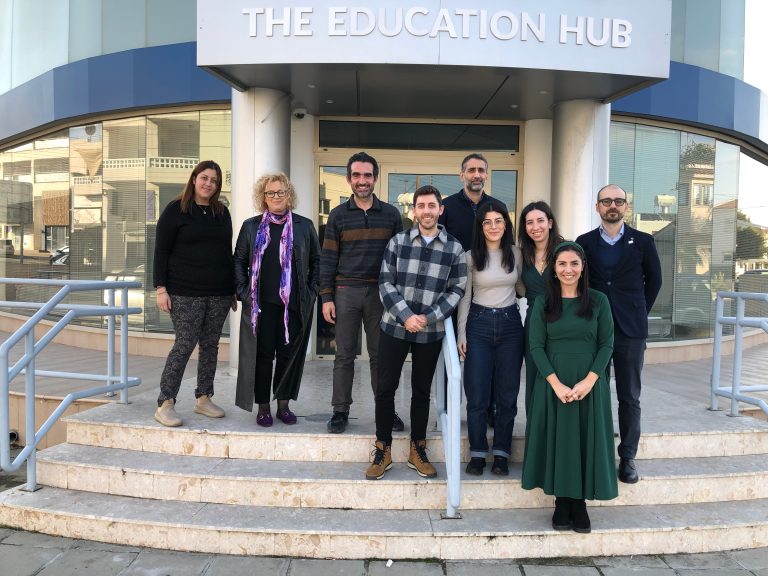
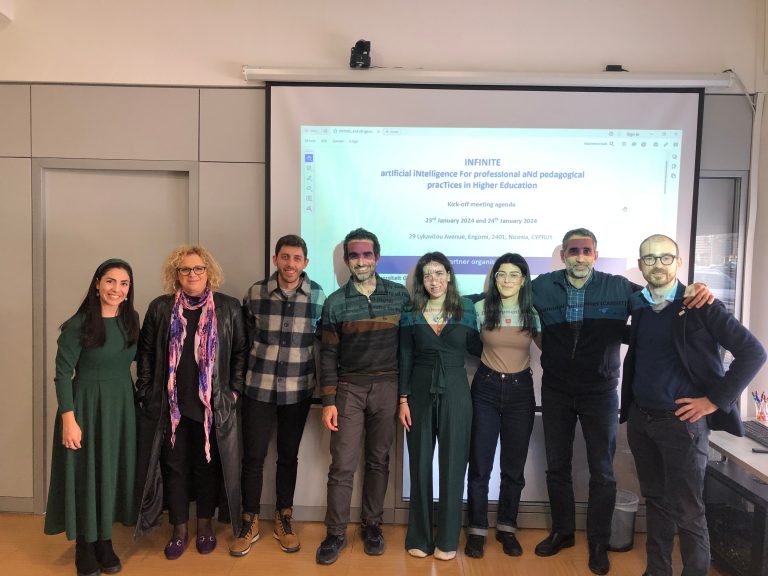
    The kick-off meeting of the Erasmus project entitled INFINITE (artIficial iNtelligence For professIonal aNd pedagoGical pracTices in Higher Education) was successfully held on Tuesday January 23rd and Wednesday January 24th at the CARDET offices in Nicosia.

    INFINITE is a 30-month project funded by the European Union through the Erasmus program. The Media Pedagogy research group of the Pedagogical Department of Primary Education of the University of the Aegean participates in the project. INFINITE aims to prepare Higher Education (HE) teachers to critically and ethically exploit AI-based technology for their professional and pedagogical practices, supporting Higher Education Institutions (HEIs) to leverage the best possible outcomes from AI developments.

    The INFINITE project partners are:

    • Rijksuniversiteit Groningen (Netherlands)
    • University of Nicosia (Cyprus)
    • University College Dublin (Ireland)
    • University of the Aegean (Greece)
    • All Digital (Belgium)
    • Center for the Advancement of Research & Development in Educational Technology (CARDET, Cyprus)